Welcome to my blogs page
About Sleep and Recovery
1. Introduction
Sleep is one of the most important parts of a healthy life. During sleep, your body and mind recover from the day’s activities. Good sleep helps you feel fresh, active, and ready for the next day. Without enough sleep, your body cannot work at its best.
2. Why Sleep Is Important
Sleep gives your body time to rest and repair itself. It helps your heart, brain, muscles, and immune system work properly. Good sleep also improves your mood and helps you stay healthy for a long time.
3. Sleep Helps Muscle Recovery
When you sleep, your muscles repair the small damage caused by exercise and daily work. Your body also builds stronger muscles during deep sleep. This is why athletes and fitness lovers need enough sleep every night.
4. Sleep Improves Brain Function
Your brain stays active while you sleep. It stores memories, processes information, and removes waste products. Good sleep improves focus, learning, decision-making, and problem-solving skills.
5. Sleep Supports the Immune System
A healthy immune system protects your body from illness. During sleep, your body produces important cells and proteins that fight infections. People who sleep well are less likely to get sick often.
6. Lack of Sleep Can Harm Your Health
Not getting enough sleep can cause tiredness, poor concentration, and low energy. It may also increase the risk of weight gain, diabetes, high blood pressure, and heart disease if it continues for a long time.
7. Sleep Helps Mental Health
Good sleep can improve your mood and reduce stress. People who sleep well often feel happier and calmer. Poor sleep may increase feelings of anxiety, sadness, and frustration.
8. How Much Sleep Do You Need?
Most adults need about seven to nine hours of sleep every night. Teenagers usually need eight to ten hours. Children need even more sleep because their bodies and brains are still growing.
9. Tips for Better Sleep
Try to sleep and wake up at the same time every day. Keep your bedroom quiet, dark, and comfortable. Avoid using your phone or other screens just before bed because bright light can make it harder to fall asleep.
10. Food and Exercise Affect Sleep
Regular exercise can help you sleep better. Eating a healthy diet also supports good sleep. Avoid large meals, caffeine, and sugary drinks close to bedtime because they may disturb your sleep.
11. Recovery Is More Than Sleep
Recovery also includes eating healthy food, drinking enough water, managing stress, and taking rest days after hard exercise. These healthy habits work together with good sleep to keep your body strong and active.
12. Conclusion
Sleep and recovery are important for a healthy body and mind. They help your muscles grow, improve brain function, strengthen your immune system, and support good mental health. Try to get enough sleep every night and follow healthy daily habits. Small changes in your routine can lead to better health, more energy, and a better quality of life.
Pros and Cons of Eating Chicken
Introduction
Chicken is one of the most popular foods in the world. Many people eat chicken because it is tasty, affordable, and easy to cook. It is also used in many healthy meal plans. However, eating chicken has both advantages and disadvantages. Knowing the good and bad sides can help you make better food choices for your health.
Chicken Is a Good Source of Protein
Chicken is rich in protein. Protein helps build muscles, repair body tissues, and keep you feeling full for a longer time. People who exercise regularly often include chicken in their meals because it supports muscle growth and recovery.
Chicken Contains Important Nutrients
Chicken provides many important nutrients like vitamin B6, vitamin B12, niacin, phosphorus, and selenium. These nutrients help your body produce energy, support brain function, and keep your bones and immune system healthy.
Chicken Can Help with Weight Management
Skinless chicken breast is low in fat and calories. It is a good choice for people trying to lose weight. Because it is high in protein, it reduces hunger and helps you avoid overeating during the day.
Chicken Is Easy to Cook
Chicken can be prepared in many ways, such as grilling, boiling, baking, or steaming. It can also be added to salads, soups, sandwiches, and rice dishes. This makes it a convenient food for busy people and families.
Chicken May Contain Harmful Bacteria
Raw chicken can contain harmful bacteria like Salmonella and Campylobacter. If it is not cooked properly, it can cause food poisoning. Always wash your hands after touching raw chicken and cook it until it is fully done.
Fried Chicken Is Not a Healthy Choice
Fried chicken contains more oil, unhealthy fats, and calories than grilled or boiled chicken. Eating fried chicken often may increase the risk of weight gain, high cholesterol, and heart problems. Choosing healthier cooking methods is a better option.
Processed Chicken Products Can Be Unhealthy
Chicken nuggets, sausages, and other processed chicken products often contain extra salt, preservatives, and unhealthy ingredients. Eating these foods regularly may increase the risk of high blood pressure and other health problems.
Overeating Chicken Is Not Good
Eating too much chicken every day may reduce the variety in your diet. Your body also needs vegetables, fruits, whole grains, healthy fats, fish, eggs, and legumes. A balanced diet gives your body all the nutrients it needs.
Animal Welfare and Environmental Concerns
Some chicken farms do not provide good living conditions for birds. Large-scale chicken farming can also affect the environment through waste, water use, and pollution. Choosing chicken from responsible farms can support better farming practices.
Tips for Eating Chicken the Healthy Way
Choose fresh chicken whenever possible. Remove the skin to reduce fat. Cook it by grilling, baking, boiling, or steaming instead of frying. Eat chicken with vegetables, whole grains, and healthy foods to create a balanced meal. Also, avoid eating processed chicken products too often.
Conclusion
Chicken can be a healthy part of your diet when eaten in the right amount and cooked properly. It provides protein and many important nutrients that support good health. However, fried and processed chicken should be limited, and food safety is very important. Eating a balanced diet with different healthy foods is the best way to stay healthy. Enjoy chicken in moderation and choose healthy cooking methods whenever possible.
Macro Nutrition: A Simple Guide to Healthy Eating
What is Macro Nutrition?
Macro nutrition means the nutrients that our body needs in large amounts every day. These nutrients give us energy, help us grow, and keep our body healthy. The three main macronutrients are protein, carbohydrates, and fats. Fiber is also very important because it supports good digestion and overall health.
Protein – The Building Block of the Body
Protein helps build and repair muscles, skin, and other body tissues. It also supports growth and keeps the immune system strong. Good sources of protein include eggs, chicken, fish, milk, yogurt, beans, lentils, and soy products. Eating enough protein every day helps you stay active and healthy.
Carbohydrates – The Body’s Main Energy Source
Carbohydrates are the main source of energy for our body and brain. They help us stay active throughout the day and improve physical performance. Healthy carbohydrates are found in rice, whole wheat, oats, fruits, vegetables, and potatoes. Choose whole grains more often because they give longer-lasting energy.
Healthy Fats – Good for the Body
Many people think all fats are bad, but healthy fats are very important. They help the brain, heart, and body cells work properly. Good fats are found in nuts, seeds, avocados, olive oil, and fatty fish. Try to avoid too many fried foods and processed snacks.
Fiber – A Friend for Digestion
Fiber helps food move smoothly through the digestive system. It can prevent constipation and helps you feel full for a longer time. Fruits, vegetables, whole grains, beans, and seeds are rich in fiber. Eating enough fiber every day supports good gut health and overall wellness.
Water – The Most Important Nutrient
Water is not a macronutrient, but it is essential for life. It carries nutrients, controls body temperature, and removes waste from the body. Drink enough water every day, especially during hot weather or after exercise. Staying hydrated helps you feel fresh and energetic.
Vitamins and Minerals – Small but Powerful
Vitamins and minerals are needed in small amounts, but they do very important jobs. They help keep our bones, eyes, skin, and immune system healthy. Fruits, vegetables, dairy products, nuts, and whole grains provide many vitamins and minerals. Eating colorful foods gives your body many different nutrients.
Portion Control – Eat the Right Amount
Eating healthy foods is important, but eating the right amount is also necessary. Very large portions can lead to weight gain and poor health. Fill your plate with a balance of protein, carbohydrates, vegetables, and healthy fats. Eating slowly can help you know when you are full.
Balanced Meals – Mix All Nutrients
A balanced meal contains different nutrients in the right amounts. Include protein, healthy carbohydrates, vegetables, healthy fats, and fiber in your daily meals. This combination gives your body energy and keeps you full for a longer time. A balanced diet supports good health at every age.
Healthy Eating Habits for Everyday Life
Healthy eating is not about strict diets or skipping meals. Eat fresh foods, drink enough water, and avoid too many sugary drinks and processed snacks. Try to eat meals at regular times and include different healthy foods every day. Small healthy choices made daily can lead to a happier and healthier life.
Conclusion
Understanding macro nutrition is simple when you learn the basics. Protein builds the body, carbohydrates give energy, healthy fats support important body functions, and fiber keeps digestion healthy. Water, vitamins, minerals, portion control, and balanced meals also play an important role in good health. By choosing healthy foods every day, you can improve your energy, fitness, and overall well-being. Healthy eating is a lifelong habit that helps people of all ages live a better and healthier life.
Difference between cardio and strength training
1. Introduction
Cardio and strength training are two popular types of exercise. Both are good for your health, but they have different purposes. Knowing the difference helps you choose the right workout for your fitness goals.
2. What Is Cardio Training?
Cardio training is exercise that makes your heart beat faster. It includes walking, running, cycling, swimming, and dancing. Cardio improves heart health and increases your stamina.
3. What Is Strength Training?
Strength training helps make your muscles stronger. It includes lifting weights, using resistance bands, and bodyweight exercises like push-ups and squats. It also helps build stronger bones.
4. Main Difference Between Them
Cardio mainly improves your heart and lungs. Strength training mainly builds muscles and increases body strength. Cardio focuses on endurance, while strength training focuses on power.
5. Benefits of Cardio
Cardio helps burn calories and supports weight loss. It improves blood circulation and keeps your heart healthy. It also increases energy and reduces stress.
6. Benefits of Strength Training
Strength training builds muscle and improves body balance. It makes daily tasks like lifting and climbing easier. It also supports healthy bones and better posture.
7. Which One Is Better?
Neither exercise is better than the other. Cardio is best for heart health, while strength training is best for muscle growth. Doing both together gives the best overall fitness results.
8. Conclusion
Cardio and strength training are both important for a healthy lifestyle. They improve your body in different ways. A balanced workout plan with both exercises can help you stay fit, strong, and healthy.
Protein Rich Foods
Introduction
Protein is one of the most important nutrients that our body needs every day. It helps us grow, repair damaged tissues, and stay healthy. Protein is found in many foods, both from animals and plants. Eating enough protein gives us strength and energy to do our daily activities. Children, adults, and older people all need protein for good health. A balanced diet with protein-rich foods helps our body work properly and keeps us active.
Importance of Protein
Protein plays a major role in building muscles, bones, skin, and blood. It also helps in making enzymes and hormones that control many body functions. When we get injured, protein helps repair damaged tissues and heal wounds faster. It also supports the immune system, which protects us from diseases. People who do regular exercise need enough protein to build and repair muscles. Without enough protein, the body may become weak and tired.
Animal Sources of Protein
Animal foods are excellent sources of high-quality protein. Eggs are one of the best protein-rich foods because they are healthy and easy to cook. Milk, cheese, and yogurt provide protein along with calcium for strong bones. Fish is another healthy choice because it contains protein and good fats. Chicken and lean meat are also rich in protein and help in muscle growth. These foods provide all the essential amino acids that our body needs.
Plant Sources of Protein
Many plant foods are also rich in protein. Lentils, beans, peas, and chickpeas are excellent choices for vegetarians. Soybeans, tofu, and soy milk contain high amounts of protein and are healthy alternatives to meat. Nuts such as almonds, peanuts, and walnuts provide protein as well as healthy fats. Seeds like pumpkin seeds and sunflower seeds are also nutritious. Whole grains such as oats and quinoa contain some protein and can be included in daily meals.
Benefits of Eating Protein-Rich Foods
Eating enough protein offers many health benefits. It helps children grow properly and supports healthy development. Protein keeps muscles strong and improves physical performance. It also helps people feel full for a longer time, which may reduce overeating and support healthy weight management. Protein is important for healthy hair, skin, and nails. It also helps the body recover after illness or surgery. A diet that includes enough protein can improve overall health and increase energy levels.
How to Include Protein in Daily Meals
It is easy to include protein-rich foods in everyday meals. A healthy breakfast may include eggs, milk, or yogurt. Lunch can have beans, lentils, chicken, or fish with rice or vegetables. Dinner can include tofu, paneer, or lean meat with whole grains and fresh vegetables. Healthy snacks such as nuts, roasted chickpeas, or yogurt are also good sources of protein. Drinking enough water and eating a balanced diet with fruits and vegetables will help the body use protein effectively. It is also important not to eat too much protein, because balance is the key to good health.
Conclusion
Protein-rich foods are an important part of a healthy diet. They help build muscles, repair tissues, support growth, and keep the body strong. Both animal and plant foods provide protein, giving people many healthy choices. Eating a variety of protein-rich foods every day helps maintain good health and supports an active lifestyle. By choosing balanced meals with enough protein, people can improve their overall well-being and reduce the risk of many health problems. Therefore, everyone should understand the importance of protein-rich foods and make them a regular part of their daily diet.
How to start a healthy life style
Introduction
In today’s fast-paced world, many people want to live healthier lives but don’t know where to begin. Between busy work schedules, family responsibilities, and endless health advice online, starting a healthy lifestyle can feel overwhelming. The good news is that becoming healthier doesn’t require perfection or drastic changes overnight. Instead, it starts with small, consistent habits that gradually transform your body, mind, and overall well-being.
Whether your goal is to lose weight, improve your energy levels, build strength, reduce stress, or simply feel better every day, this guide will walk you through practical steps to start a healthy lifestyle that lasts.
What does a healthy lifestyle mean
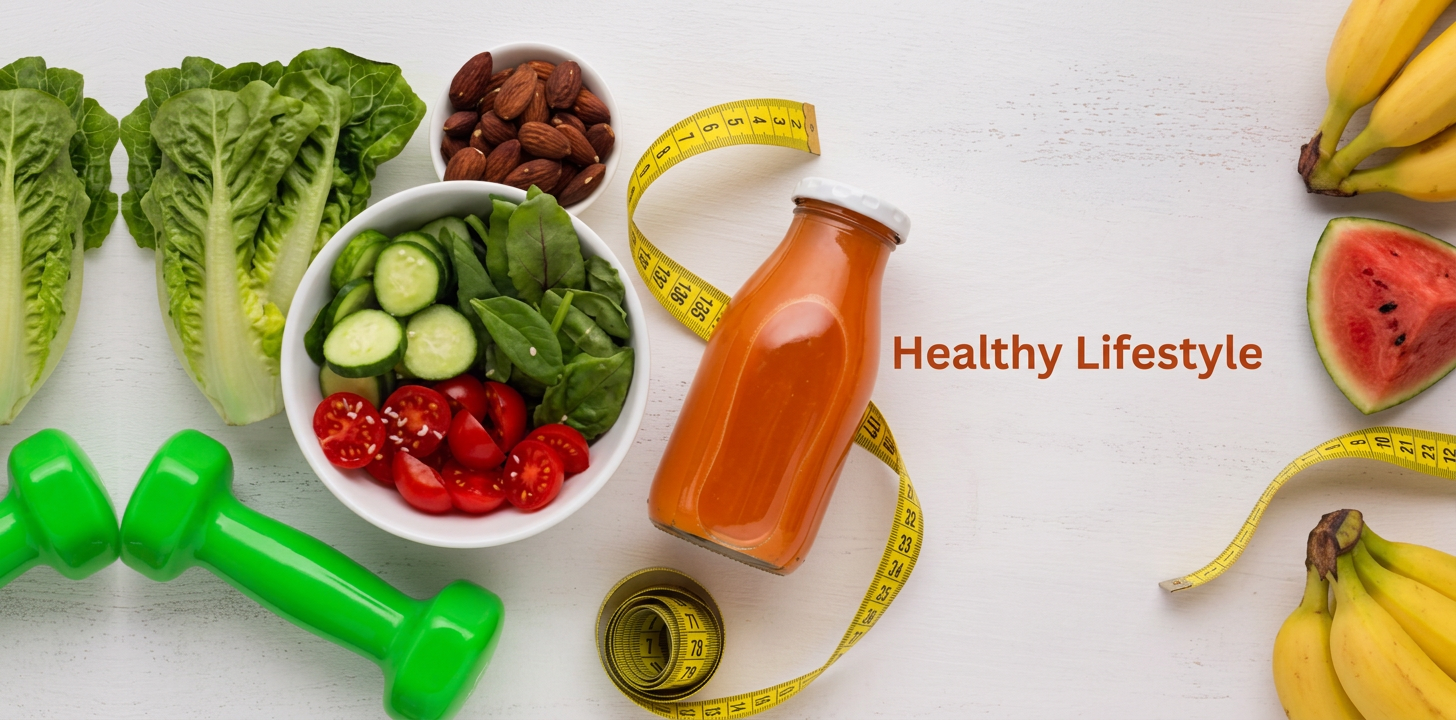
A healthy lifestyle is more than just eating salads or spending hours at the gym. It is a balanced way of living that supports your physical, mental, and emotional health. It includes:
- Eating nutritious foods
- Staying physically active
- Getting enough quality sleep
- Managing stress effectively
- Drinking enough water
- Avoiding harmful habits
- Maintaining a positive mindset
The goal isn’t to be perfect—it’s to make healthier choices more often than unhealthy ones.
Set realistic healthy goals
The first step toward a healthier lifestyle is knowing what you want to achieve.
Instead of setting vague goals like “I want to get fit,” create specific and measurable objectives.
Examples include:
- Walk 8,000 steps every day.
- Exercise for 30 minutes, five days a week.
- Drink 2 liters of water daily.
- Eat vegetables with every meal.
- Sleep at least 7–8 hours each night.
Small, achievable goals help build confidence and create lasting habits
Improve your diet gradually
Healthy eating doesn’t mean giving up all your favorite foods. The key is making smarter choices while maintaining balance.
Eat More Whole Foods
Focus on foods that are as close to their natural state as possible.
Include:
- Fresh fruits
- Vegetables
- Whole grains
- Lean proteins
- Healthy fats
- Nuts and seeds
- Legumes
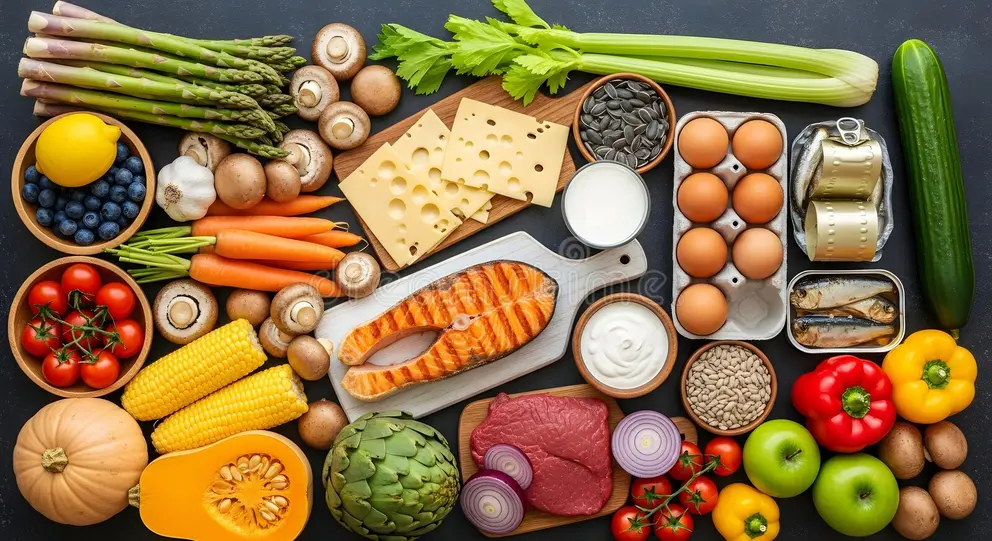
Whole foods provide essential nutrients that fuel your body and support long-term health.
Limit Processed Foods
Processed foods often contain excess sugar, unhealthy fats, sodium, and artificial ingredients.
Reduce your intake of:
- Sugary drinks
- Fast food
- Candy
- Chips
- Processed meats
- Bakery items
Enjoy these foods occasionally rather than making them part of your daily diet.
Practice Portion Control
Even healthy foods can contribute to weight gain when eaten in excessive amounts.
Simple tips include:
- Use smaller plates.
- Eat slowly.
- Stop eating when comfortably full.
- Avoid distractions like TV while eating.
Mindful eating helps prevent overeating and improves digestion.
Stay hydrated
Water is essential for nearly every function in your body.
Proper hydration helps:
- Regulate body temperature
- Improve digestion
- Boost energy
- Support brain function
- Keep skin healthy
- Improve workout performance
Aim to drink around 2–3 liters of water each day, depending on your activity level and climate.
Carry a reusable water bottle to make hydration easier throughout the day.
Make exercises as part of your routine
Physical activity is one of the most important components of a healthy lifestyle.
You don’t need an expensive gym membership to get started.
Beginner-Friendly Exercises
- Walking
- Jogging
- Cycling
- Swimming
- Bodyweight workouts
- Yoga
- Stretching
Aim for at least 150 minutes of moderate exercise per week.
Include Strength Training
Strength training helps:
- Build muscle
- Increase metabolism
- Strengthen bones
- Improve posture
- Prevent injuries
Start with simple exercises like:
- Squats
- Push-ups
- Lunges
- Planks
- Resistance band exercises
Two to three strength-training sessions each week are enough for beginners.
Final Thoughts
Starting a healthy lifestyle doesn’t require expensive equipment, complicated meal plans, or dramatic changes. It begins with simple daily habits that become part of your routine over time. Focus on eating nutritious foods, staying active, getting enough sleep, drinking plenty of water, and taking care of your mental well-being.
The most successful health journeys aren’t built on perfection—they’re built on consistency. Every healthy choice you make, no matter how small, brings you one step closer to a stronger body, a clearer mind, and a happier life.
Start today by choosing one healthy habit and committing to it. Over time, those small choices will add up to meaningful, lasting change. Your future self will thank you.
HOW CAN WE DO WEIGHT GAIN
What is weight gain
Weight gain is the process of increasing body weight. This can happen because of an increase in muscle, body fat, or both. Healthy muscle gain focuses on building muscle and improving overall health rather than simply gaining fat. It occurs when a person eats more calories than the body burns each day.
How can you gain weight
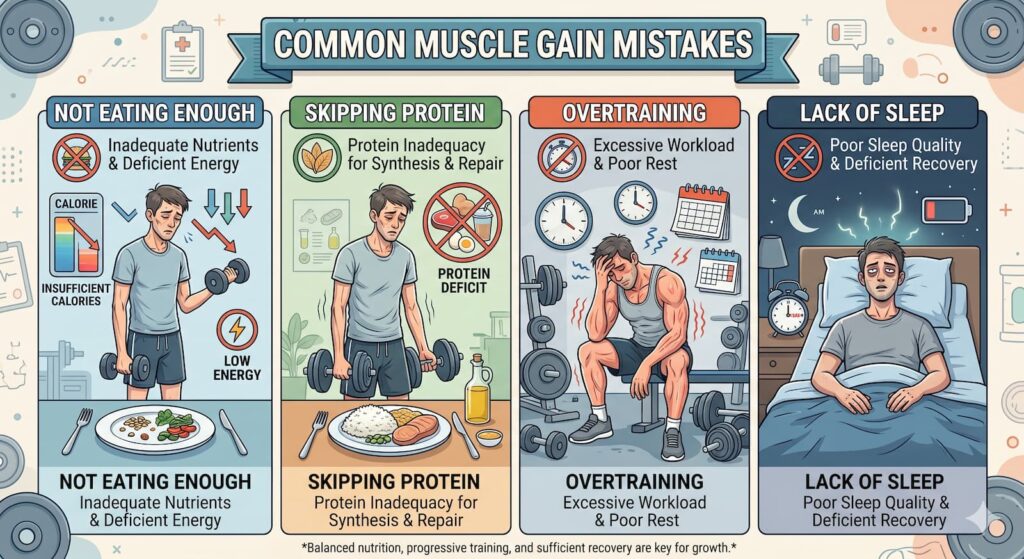
Healthy muscle gain requires eating more nutritious calories and following a proper exercise routine. A person should eat balanced meals that contain proteins, carbohydrates, and healthy fats. Eating more frequently, choosing calorie-rich foods, and increasing portion sizes can also help. Along with proper nutrition, strength training exercises are important because they help build muscle mass instead of excess body fat.
Benefits of healthy muscle gain
Healthy muscle gain can improve strength, energy, and overall well-being. People who are underweight may have a weaker immune system, lower energy levels, and less muscle mass. Gaining weight in a healthy way can improve physical performance, support better growth and development, and increase confidence. It can also help the body function more effectively.
Best foods for weight gain
Eating nutrient-rich and calorie-dense foods can help with healthy gains. Some good food choices include:
- Whole milk and dairy products
- Eggs
- Chicken, fish, and lean meat
- Rice, pasta, and potatoes
- Oats and whole grains
- Nuts and nut butters
- Avocados
- Bananas and dried fruits
- Cheese and yogurt
- Beans and lentils
These foods provide calories, protein, vitamins, and minerals that support muscle gain and muscle growth.
Supplements those may help
Some supplements can support this processwhen used with a healthy diet and exercise plan. Common options include:
- Protein powders
- Mass gainers
- Creatine supplements
- Meal replacement shakes
These supplements can help increase calorie and protein intake. However, they should not replace regular meals. It is always a good idea to consult a healthcare professional before starting any supplement.
Exercises for this goal
Strength training
Squats
Deadlifts
Bench press
Pull-ups
Lunges
Shoulder press
Resistence training
Resistance band exercises
Machine workouts
Dumbbell exercises
Progressive overload
Gradually increasing the weight or resistance during workouts helps muscles grow stronger and larger over time.
Combining regular exercise with proper nutrition can lead to healthy and sustainable gains.
Conclusion
Muscle gain is important for people who are underweight or want to build more muscle and strength. Healthy weight gain can be achieved by eating nutritious foods, consuming enough calories, and following a regular strength-training program. Foods rich in protein and healthy fats, along with helpful supplements and exercise, can support weight gain goals. With consistency and patience, individuals can gain weight in a healthy way and improve their overall health and fitness.
Weight Loss
What is weight loss
Weight loss is the process of reducing body weight by decreasing body fat, muscle mass, or water content. In most cases, healthy weight loss refers to reducing excess body fat through proper nutrition, physical activity, and lifestyle changes. Weight loss occurs when the body burns more calories than it consumes, creating a calorie deficit. Maintaining a healthy weight can improve overall health, increase energy levels, and reduce the risk of many diseases.
How to do weight loss
Weight loss can be achieved through a combination of healthy eating, regular exercise, and positive lifestyle habits. The first step is to create a calorie deficit by consuming fewer calories than the body uses. Eating balanced meals that include lean proteins, whole grains, fruits, and vegetables can help control hunger and provide essential nutrients. Regular physical activity, such as walking, running, cycling, or strength training, increases calorie expenditure. Additionally, getting enough sleep, staying hydrated, and managing stress contribute to successful and sustainable weight loss.
Why weight loss is important
Weight loss is important because it improves both physical and mental health. Excess body weight increases the risk of several health conditions, including heart disease, type 2 diabetes, high blood pressure, and certain cancers. Losing weight can improve mobility, reduce joint pain, enhance sleep quality, and boost self-confidence. Furthermore, maintaining a healthy weight can increase life expectancy and improve overall quality of life.
Foods for weight loss
Choosing nutritious foods is essential for weight loss. Some of the best foods for weight management include:
- Lean proteins such as chicken breast, fish, eggs, and tofu
- Fruits like apples, berries, oranges, and watermelon
- Vegetables such as spinach, broccoli, carrots, and cucumbers
- Whole grains including oats, brown rice, and quinoa
- Healthy fats from nuts, seeds, avocados, and olive oil
- Low-fat dairy products like yogurt and milk
- Legumes such as beans, lentils, and chickpeas
These foods are rich in nutrients, promote fullness, and help reduce overeating.
Supplement for weight loss
Weight loss supplements may support weight management when combined with a healthy diet and exercise program. Common supplements include:
- Protein powders to support muscle maintenance and increase satiety
- Green tea extract, which may slightly increase calorie burning
- Fiber supplements that help control appetite
- Caffeine-based supplements that may enhance energy and metabolism
However, supplements are not a substitute for healthy lifestyle habits. It is important to consult a healthcare professional before using any supplement, especially for individuals with medical conditions.
Workouts for weight loss
Exercise plays a crucial role in weight loss by increasing calorie expenditure and improving fitness. Effective workouts for weight loss include:
Cardiovascular exercises
Walking
Running
Cycling
Swimming
Jump rope
Strength training
Squats
Lunges
Push-ups
Deadlifts
Weightlifting exercises
High intensity interval training (HIIT)
HIIT involves short bursts of intense exercise followed by brief recovery periods. It is highly effective for burning calories and improving cardiovascular fitness.
Combining cardio and strength training provides the best results for long-term weight management.
Conclusion
Weight loss is an important aspect of maintaining good health and well-being. It can be achieved through a balanced diet, regular physical activity, and healthy lifestyle habits. Consuming nutritious foods, engaging in effective workouts, and using supplements responsibly can support weight loss goals. Most importantly, successful weight loss requires consistency, patience, and a long-term commitment to healthy living. By adopting sustainable habits, individuals can achieve and maintain a healthy weight while improving their overall quality of life.
Hidden facts about weight loss
INTRODUCTION
In our daily life most of the people are struggling with their fitness goals . especially huge number of people in the current society are struggling with their weight loss goals .so i hope that i can share very important useful and precious information in the upcoming paragraphs . let’s enter into the information mine where you can get a lot of very precious information for your weight loss journey.
REASONS FOR YOUR FAT GAIN
So when we want to loose weight first of all we want to know through which things we gain excess unwanted fat . 1)sedentary lifestyle-we know that we started to adopt a very lazy lifestyle which gives the major contribution to our fat gain so at least we want to start some regular activities to increase our blood flow.2)poor diet- we Indians absolutely very poor with our diet that we have not concentrated on a balanced food style.
SET YOUR MINDSET
Before entering into your goals the mindset is the most important thing . you should know your purpose for your weight loss goal . then only you can achieve it without any failure . so try to build your concentration with your absolute purpose to lose your weight. even if you want to quit in the mid your strong purposes for which you started will not let you to quit . so build your mindset like a strong rock which cannot be broken by any such silly things .
DISCIPLINE VS TEMPORARY MOTIVATION
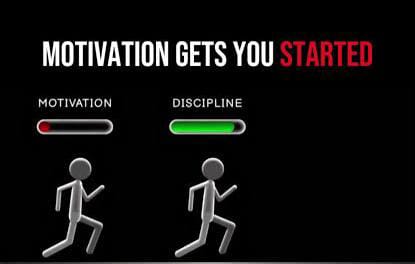
Discipline is more important than a strong motivation. so you should give the first priority to your discipline . i am saying this because a candle with strong flame wanes very quickly and a candle with a steady flame can last for a longer time . so we people should apply this formula in our life to achieve our goals without failure . so try to understand the difference between discipline and temporary motivation .
METABOLISM
This is the process of foods and drinks convert into energy, and this energy will be used for all the process in our body like breathing, heartbeat, sleeping, workout, blood circulation etc. so person with high metabolism can burn the calories faster and a person with very low metabolism can burn his calories very slower .Also we can improve the metabolism through proper sleep, diet, active life, workouts. we can divide the metabolism into two process
1)CATABOLISM
this is the first process in the metabolism . in this process foods enter into your body and it will be broken and enters your blood.
2)ANABOLISM
This is the second process in which the glucose entered into our muscle cells are used for our activities with the help of our body cells
GLYCEMIC INDEX
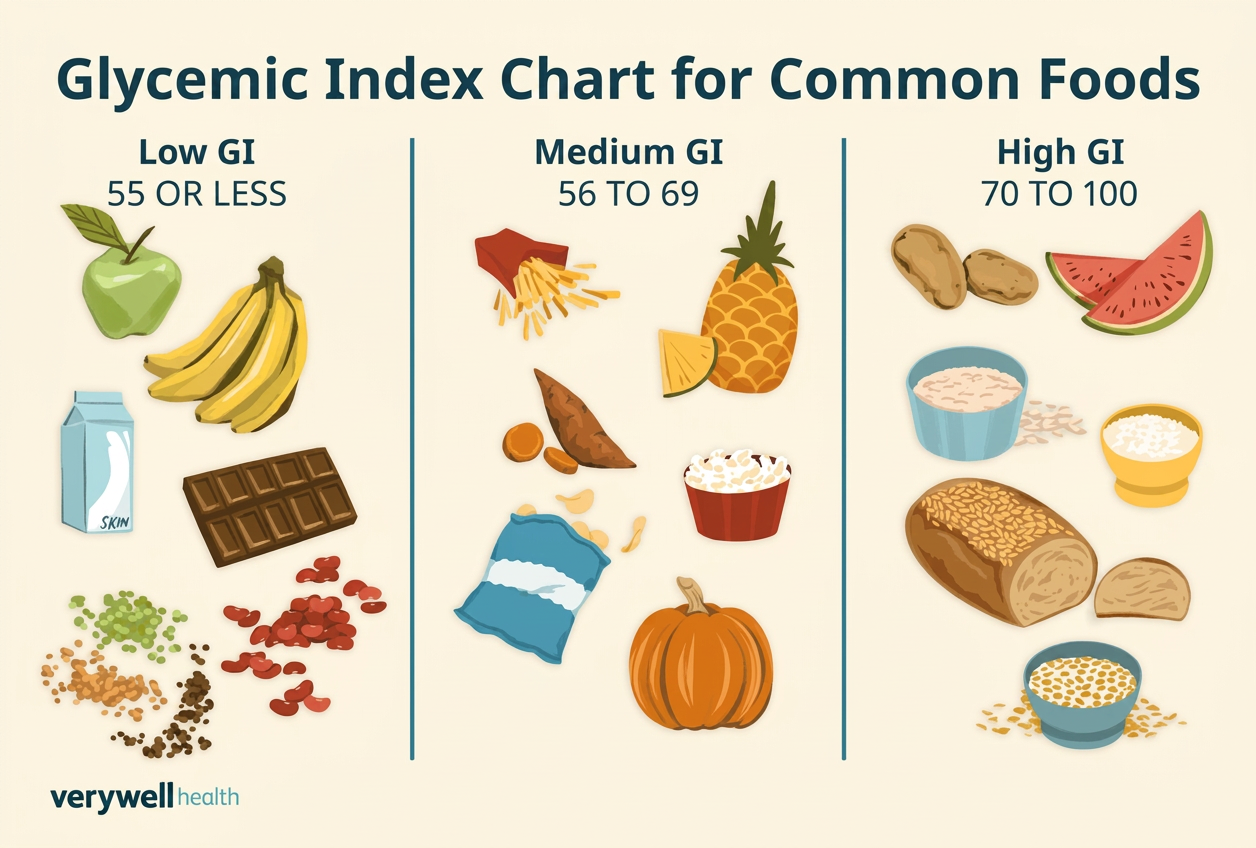
how fast a carbohydrate food raises your blood sugar level or how fast that carbohydrate turn into sugar. so if a food with high glycemic index value can digested very quickly and also make you to feel hunger very soon and food with low glycemic index value can digest slower and can also help you to feel full for a significant amount of time.so to avoid feeling hunger try to opt the low glycemic index foods.
CALORIE DEFICIT DIET
It is unnegotiable to be in a calorie deficit diet if you want to loose weight. That means consuming less calories than what your body needs regularly. it is a magical formula to reach your weight loss goals quicker . let me to explain with a very good example for better understandings with a good scenario that first of all we want to track our maintenance calories you should track your nutritional route .
HOW TO USE CALORIE DEFICIT DIET
let me assume my maintenance calories as 3000 then if you want to gain weight then you want to take calories beyond 3000 and if you want to maintain your weight then you want to maintain the same level of calories and finally if you want to loose your weight then you want to consume less calories than 3000. so i hope that you got a better understanding after reading the paragraph.
BREAKING MYTHS ON WEIGHT LOSS GOALS
Let me to break some imp myths in the fitness goals . some people usually say whenever we think to follow a diet that we should only eat and drink what we usually don’t like .that is completely wrong friends . we can alternate our diet with some of our favourite type of foods . but we should avoid the junk foods like biriyani , ice creams, fast foods ….
CHEAT MEALS
A very strange topic known by only very few people and let me explain very simply. will you believe if some one says to you that even in a heavy diet you can eat whatever you like. that is true and that is called the cheat meal . if you are in a heavy diet days and you can take one cheat meal or one cheat day once a week and you eat anything you want and don’t underestimate this because it will also helps you to loose your weight even faster . so try to include one cheat meal or one cheat day once a week
PROGRESSIVE OVERLOAD
generally people believe that they can just follow only one workout plan throughout the journey. but we should no that it is very mandatory to make progressive overloads through two important ways, the first way is through make betterments through our performance like we can increase weights in both compound movements and isolation movements during strength training and increasing endurance and energy level during cardio activities also and we can also increase reps to achieve progressive overload .
HOW TO DO PROGRESSIVE OVERLOAD
let me to give a good example for better understandings with a scenario you are doing squats with 80 kg performing 3 sets of 12 reps each in the month of July then in the month of august you want to achieve progressive overload by performing the same squat with at least 90 kg with same reps and sets or with 80 kg you want to increase by increasing the reps in each sets or increasing the sets
SET REALISTIC GOALS
some people soon after starting the diet they become frustrated very soon and quit their goals. the main reason behind this that their anticipations are beyond realistic . so don’t assume yourself that you can loose too much of weight in a very short period of time .so before entering into it analyze your body correctly and always set a realistic goal before fully committing to it fully
CONCLUSION
these are very confidential facts known by very low number of people so i hope that you will not ignore these fact. Apply these formulas in your weight loss goals and i assure that you will definitely start to see significant amount of changes in your body .