JOIN OUR
WEIGHT LOSS PROGRAM
Lose weight the healthy way with personalised coaching
JOIN TO GET
Diet plan for weight loss
One to one guidance
Weekly Progress Tracking
Fill This Form To Avail Slots
What is our Weight Loss Program?
Our weight loss program combines structural workouts, nutrition guidance, and professional coaching to help individuals lose fat safely and sustainably
Why choose us
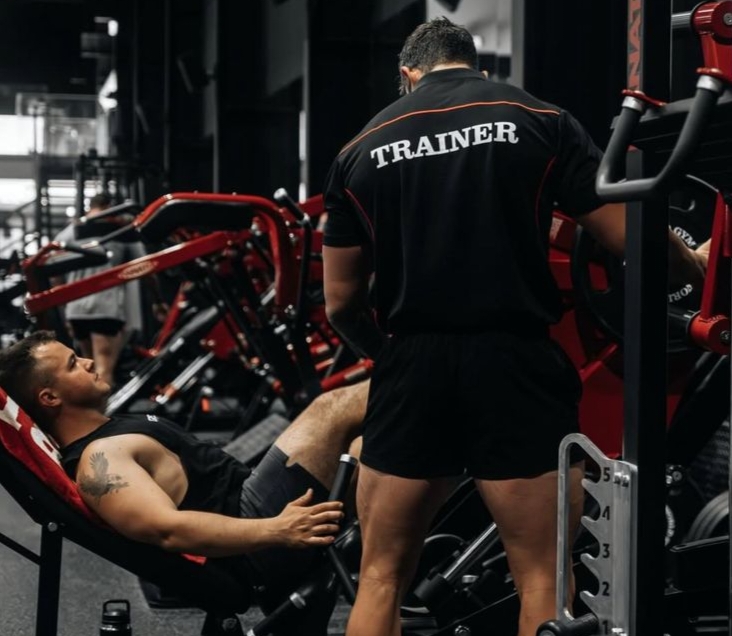
Personalized Training
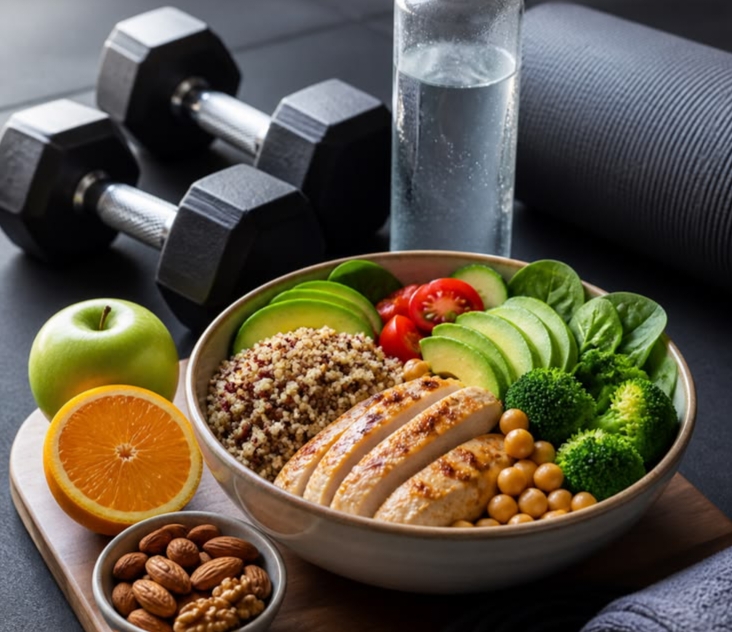
Diet Plan Support
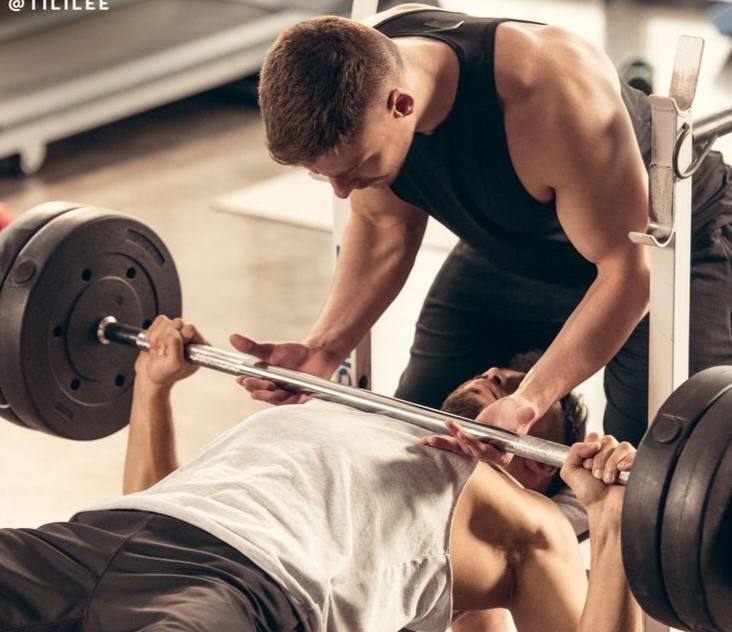
Progress Tracking

Experienced Trainers
What Makes us Different
we provid the Best way to lose weight
Flexible training
expert guide guidance
Modern gym equipments
affordable membership
continuous support
effective weight loss exercises

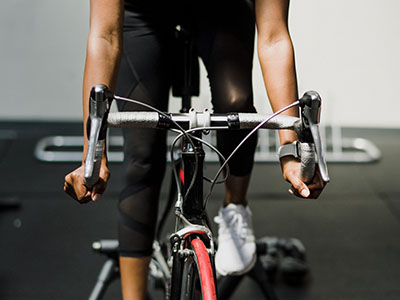
Cardio training
Nulla quis lorem ut libero malesuada feugiat. Vivamus suscipit tortor eget felis porttitor volutpat. Lorem ipsum dolor sit amet, consectetur adipiscing elit. Curabitur aliquet quam id dui posuere blandit. Nulla quis lorem ut libero malesuada feugiat. Vivamus suscipit tortor eget felis porttitor volutpat. Lorem ipsum dolor sit amet, consectetur adipiscing elit. Curabitur aliquet quam id dui posuere blandit.
FUNCTIONAL TRAINING
TREADMILL SESSIONS
SIIT WORKOUTS
HIIT WORKOUTS

STRENGTH TRAINING
>
CORE EXERCISES
WEIGHT TRAINING
BODY WEIGHT EXRCISES
DIET PLAN FOR WEIGHT LOSS
Our experts create customized meal plans focusing on balanced nutrition, calories management and healthy eating habits
WHERE CAN YOU JOIN
Located in thoothukudi with easy access and parking
WE WILL ALSO REDUCE YOUR CRAVINGS BY PROVIDING
Ideas for healthy snacks for weight loss, salads for weight loss etc.“
Testimonials
“Lorem ipsum dolor sit amet, consectetur adipiscing elit, sed do eiusmod tempor incididunt ut labore et dolore magna aliqua. Ut enim ad minim veniam, quis nostrud exercitation ullamco laboris nisi ut aliquip ex ea commodo consequat. Duis aute irure dolor in reprehenderit in”
“Lorem ipsum dolor sit amet, consectetur adipiscing elit, sed do eiusmod tempor incididunt ut labore et dolore magna aliqua. Ut enim ad minim veniam, quis nostrud exercitation ullamco laboris nisi ut aliquip ex ea commodo consequat. Duis aute irure dolor in”
START YOUR WEIGHT LOSS JOURNEY
Get extra support, customized workout plans, and professional guidance
ADDITIONAL WEIGHT LOSS TIPS
Successful weight management involves choosing healthy weight loss foods, staying hydrated with nutritious weight loss drinks, following effective weight loss exercises at the gym, and maintaining consistency with weight loss exercises at home